
The School
Sharing knowledge with kindness, high standards and discipline.
A 12-month learning-by-doing programme
Students move through four distinct phases, each building on the last. The path is clear, the standards are high, and the outcome is real.
Selection & theory
Recruitment and theoretical foundations.
Practical training
Hands-on training at partner institutions.
Eight-month apprenticeship
Placed in lodges, restaurants and tourism businesses.
SETA-certified and placed
Graduate as a certified hospitality professional.
Programme pillars
Six foundations built on excellence and real-world application
Adapted courses and training
One hundred twenty students receive international-level instruction in tourism and hospitality. Four months of theoretical and practical courses at partner institutions build the foundation.
Work in professional conditions
One hundred twenty students placed in lodges, restaurants and tourism businesses for eight months of hands-on apprenticeship.
Access to new opportunities
Women and youth gain better access to professional opportunities and increased income.
Support
Women and youth gain better access to professional opportunities and increased income.
Technology
Women and youth gain better access to professional opportunities and increased income.
Incubators
Women and youth gain better access to professional opportunities and increased income.
We contribute to eight UN Sustainable Development Goals
Our work aligns with global objectives for a better world
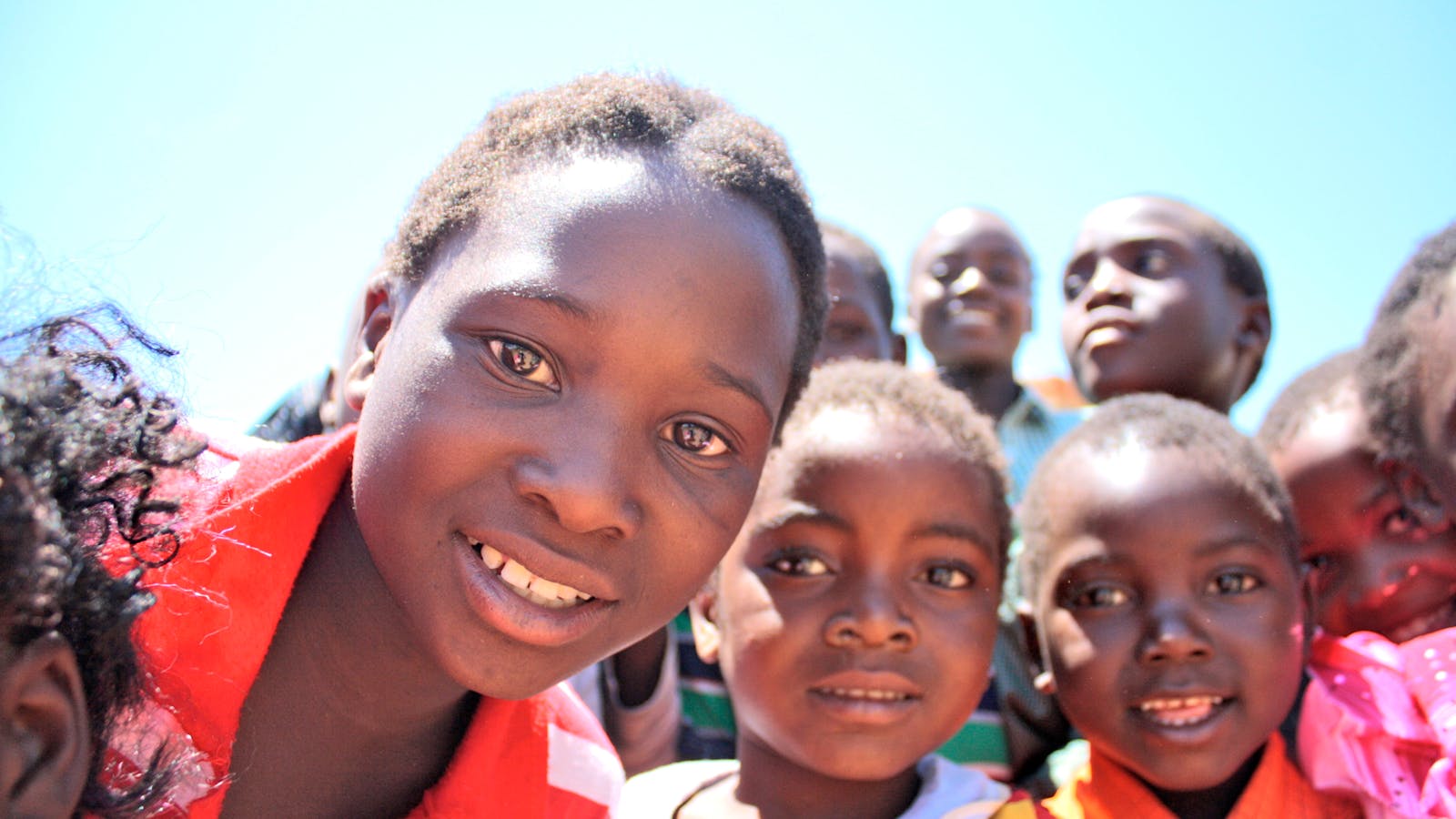
Goal 1: No poverty
We promote food autonomy by supporting local producers and fostering the creation of small businesses that contribute to wealth generation. Local farmers supply hotel establishments with fresh, sustainable vegetables.
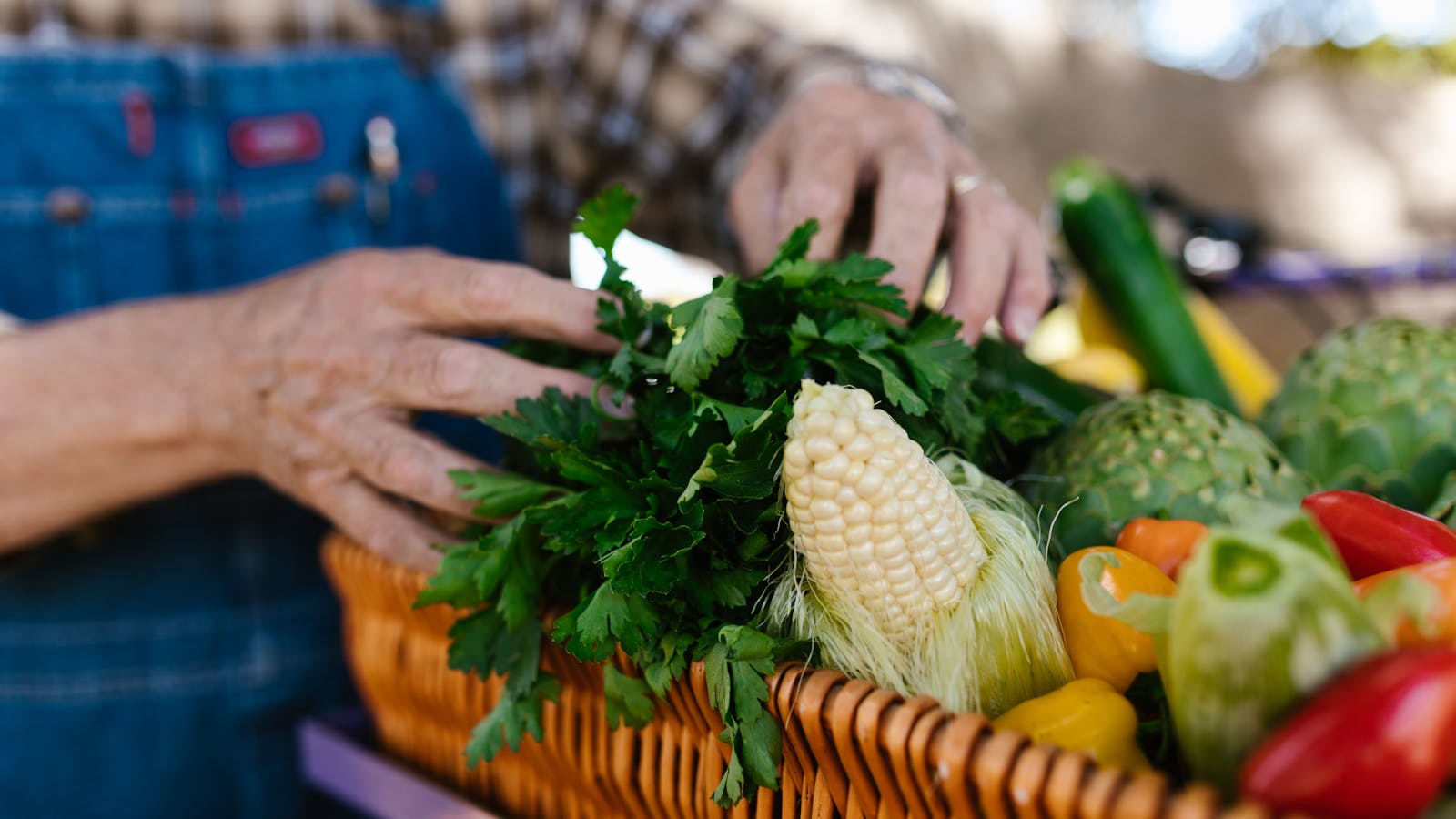
Goal 2: Zero Hunger
We promote food autonomy through the development of local farms, while offering training in various food processes and trades such as baking, cooking, pastry-making, and more.

Goal 3: Reduced Inequalities
Providing access to education for low-income communities.
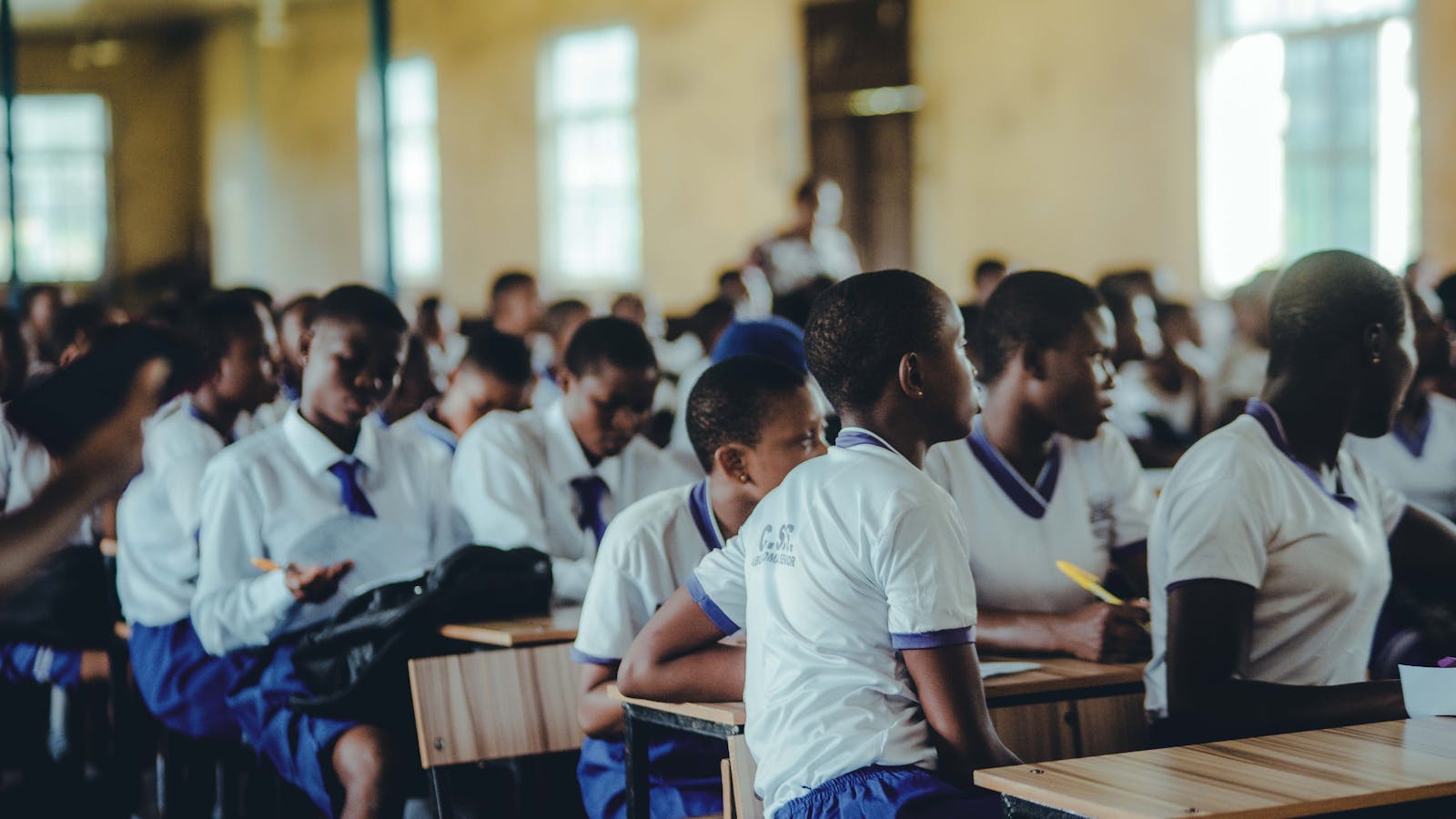
Goal 4: Quality Education
Providing access to quality education through the apprenticeship training centre.
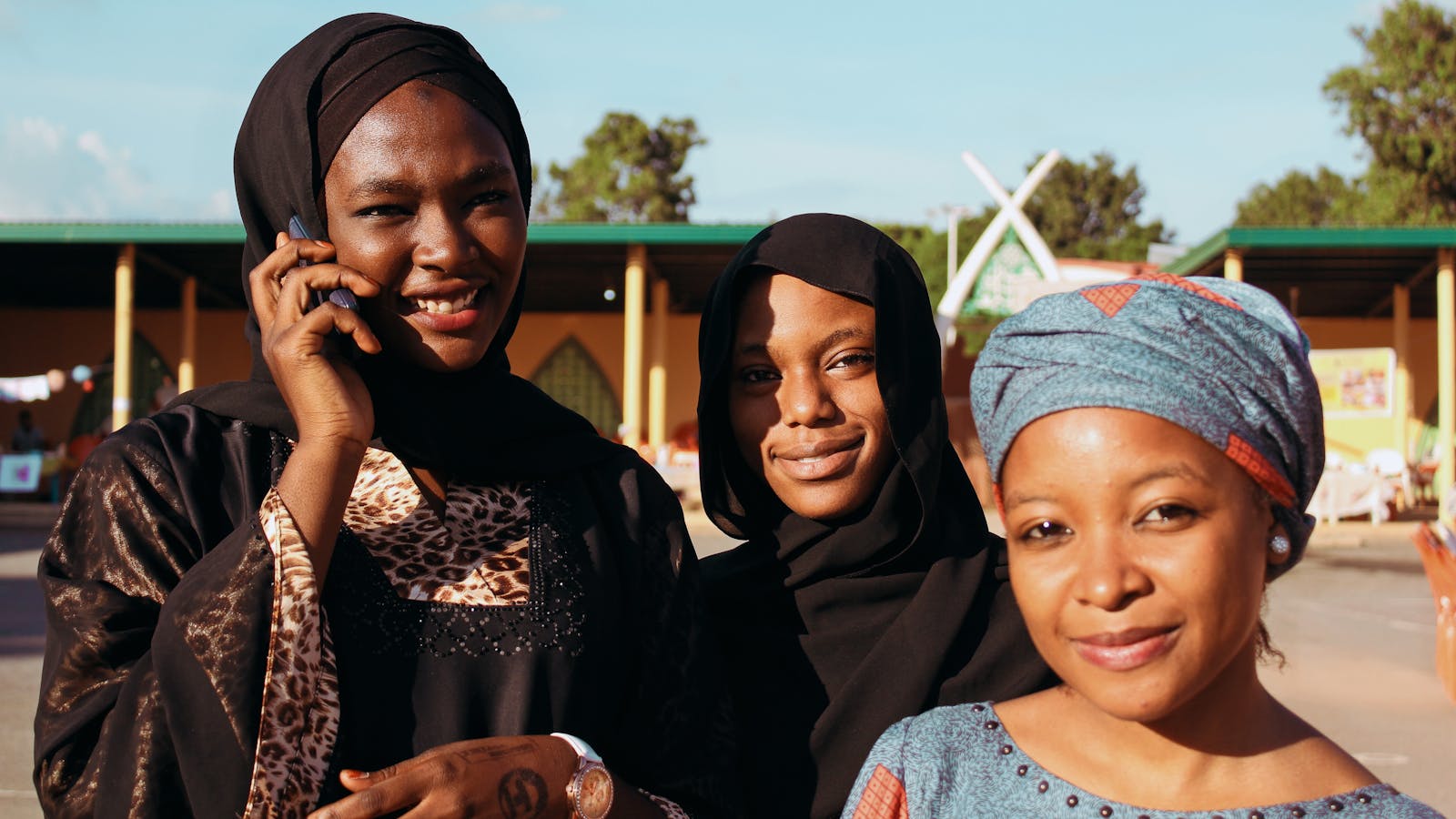
Goal 5: Gender Equality
Promoting gender equality through women's skills development and empowerment.
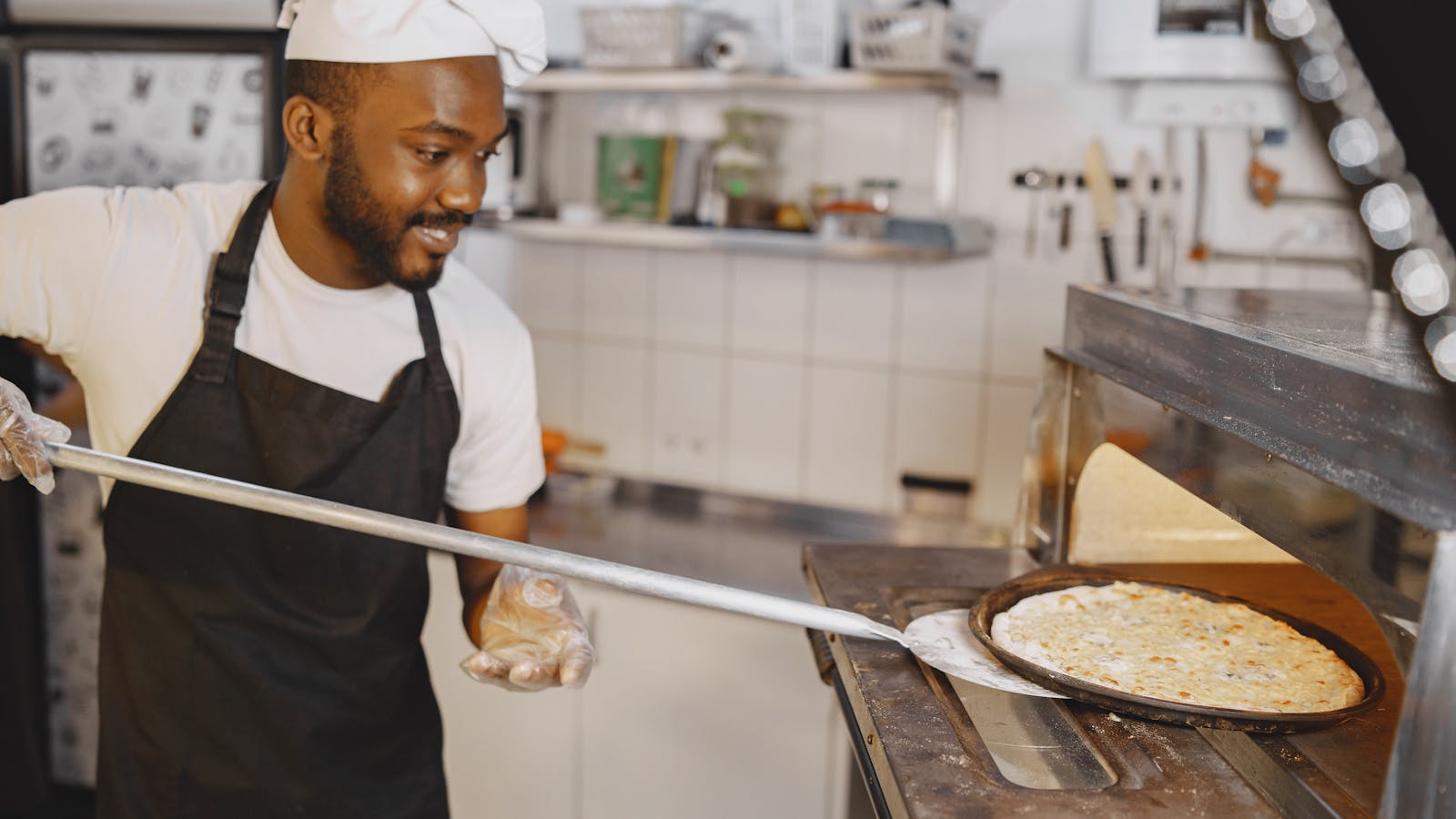
Goal 6: Decent Work and Economic Growth
Access to decent jobs through training, which translates into skills and fair salaries.
Goal 7: Sustainable Cities and Communities
Creating an eco-system in Addo that fosters environmental and social sustainability.
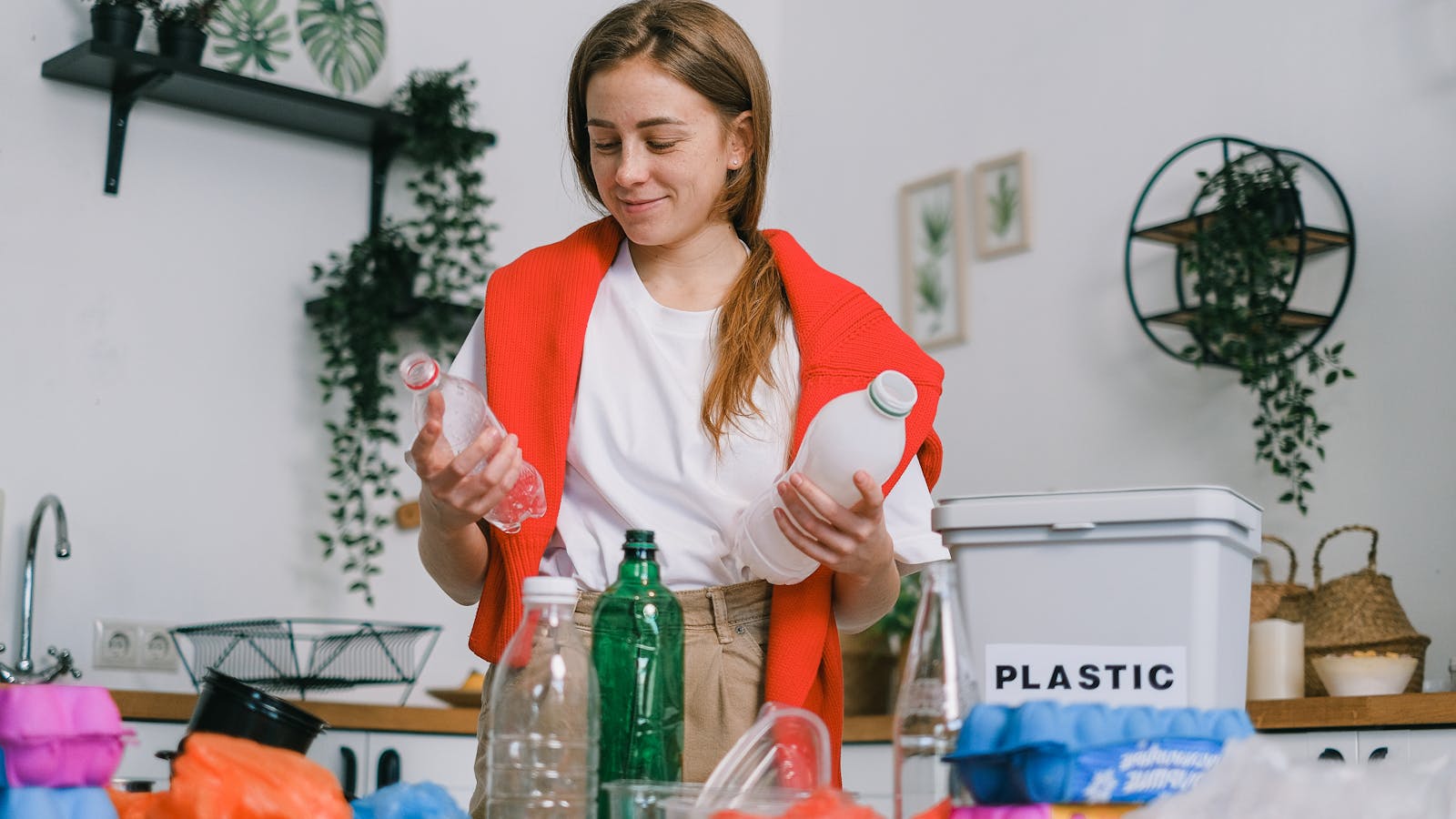
Goal 8: Responsible Consumption and Production
Supporting the local economy through local suppliers; educating on management of natural resources like water; and implementing effective waste management.
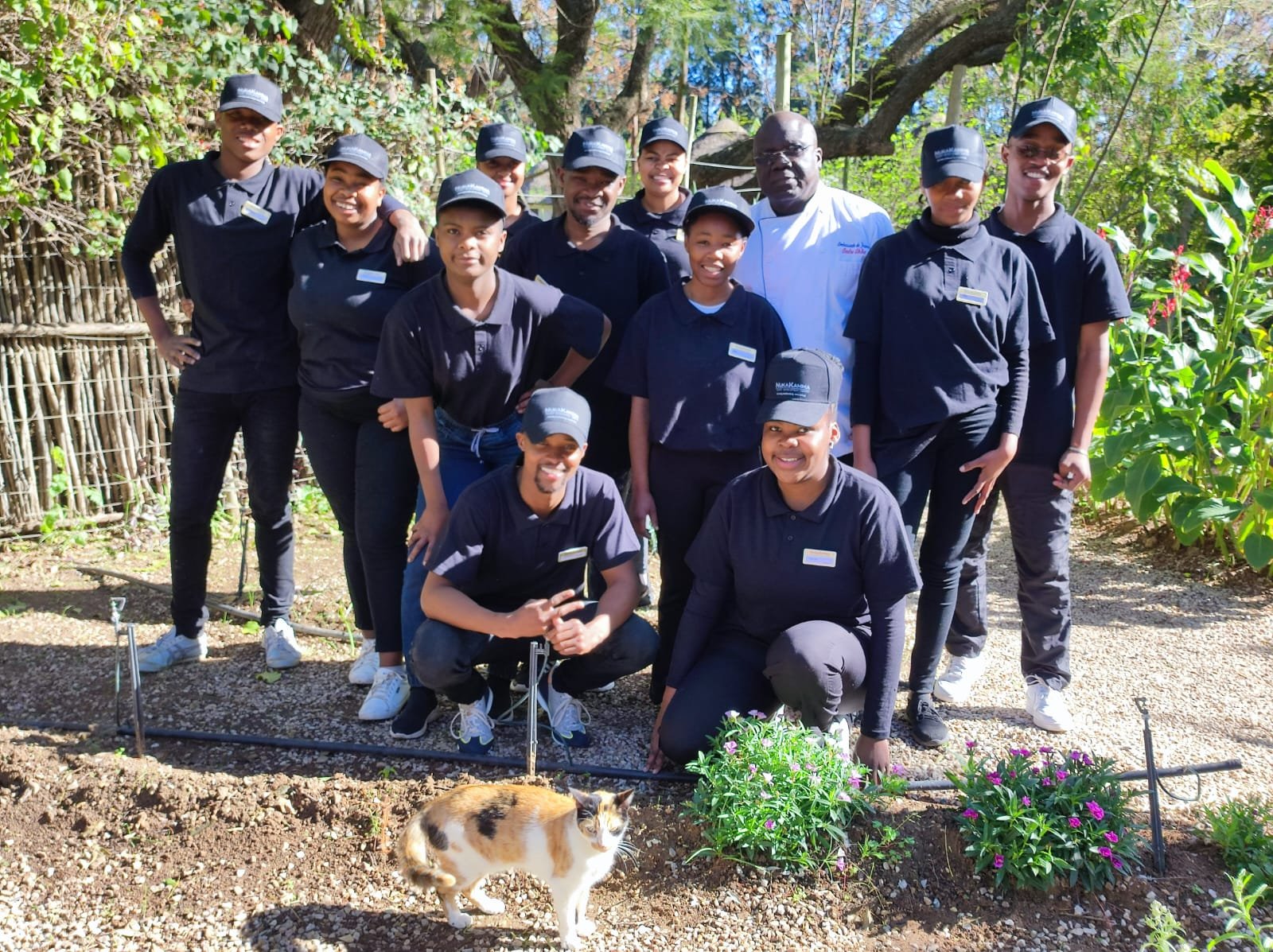
Sundays River Valley, Eastern Cape
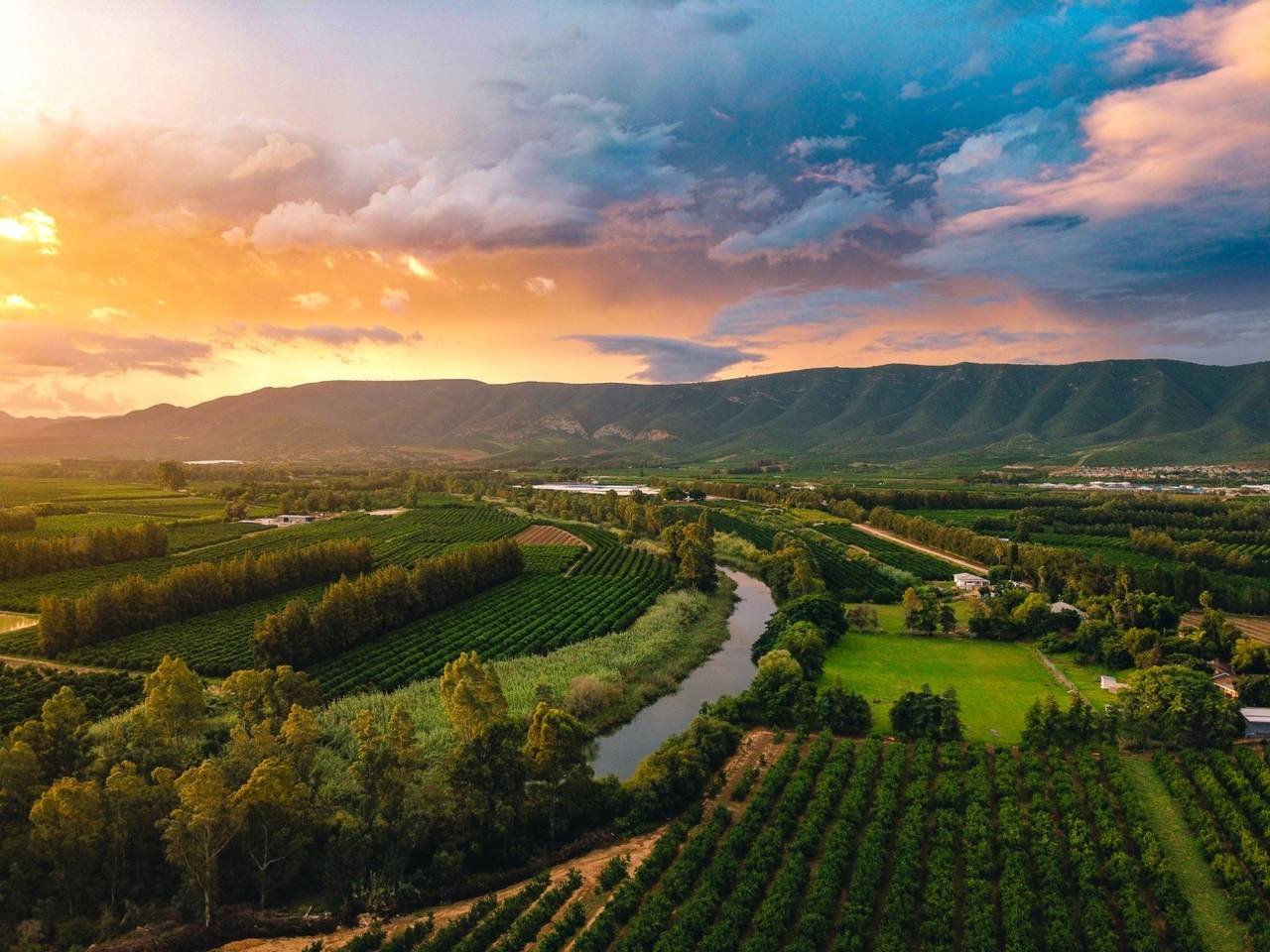
The Sundays River Valley is a vibrant agricultural, tourism and economic region in the Eastern Cape, lying north of Nelson Mandela Bay and the city of Gqeberha. It is a place where the land produces, where wildlife thrives, and where opportunity grows.
Thriving citrus industry
Economy centred on citrus growing, wildlife and eco-tourism.
Addo National Park
Home to Addo Elephant National Park and numerous game reserves.
Growing communities
Kirkwood, Addo and Paterson anchor a region of citrus farms and game lodges
Where opportunity grows
A region shaped by agriculture, wildlife and the promise of meaningful work
We contribute to eight UN Sustainable Development Goals
Our work aligns with global objectives for a better world
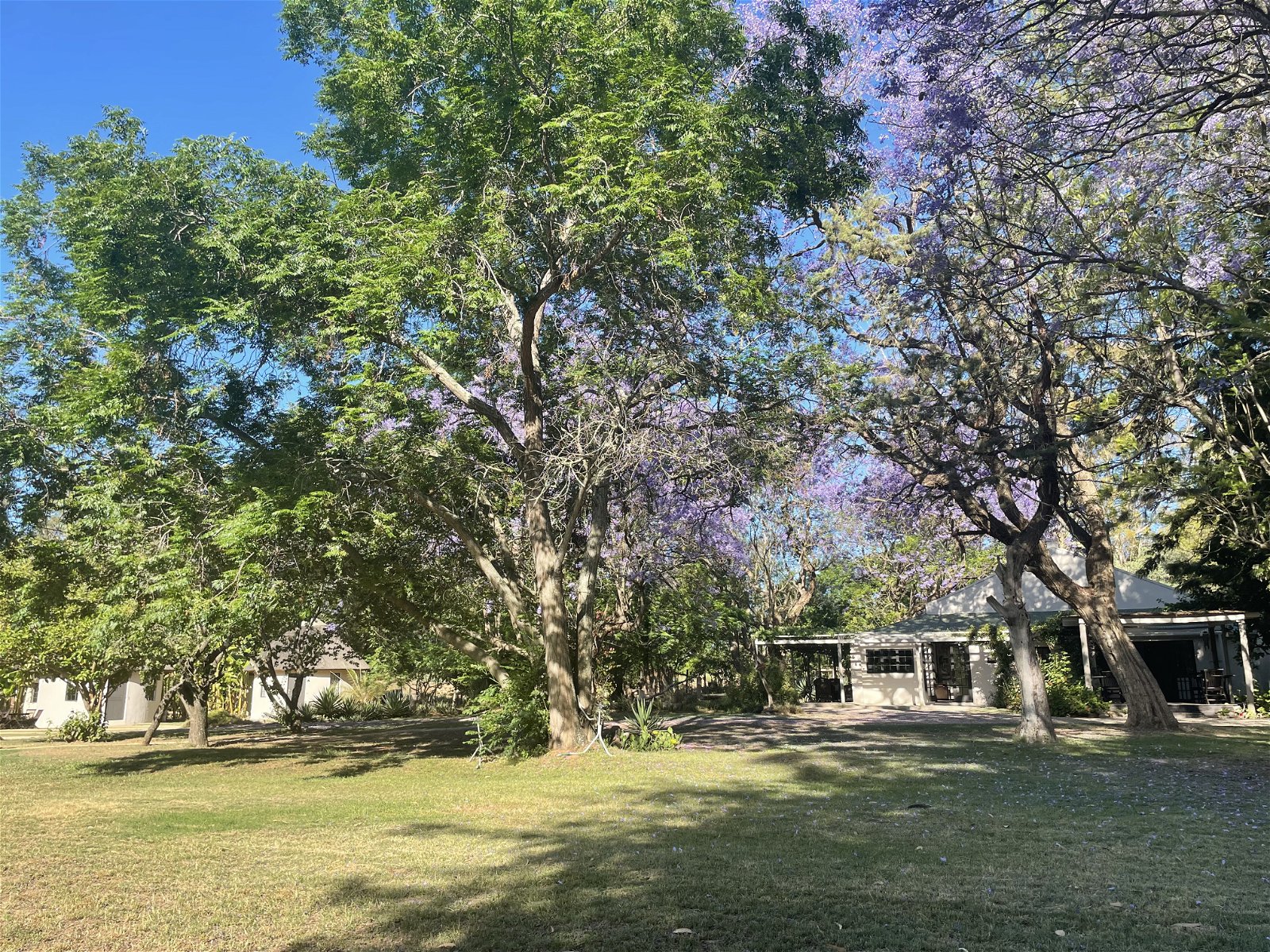
The campus
Nestled in direct connection with nature, right next to the renowned Addo National Park, our cosy chalets with private bathrooms provide a perfect, peaceful environment for students to learn in safety and tranquillity. We teach sustainable practices through waste recycling, water management, and sourcing local supplies.
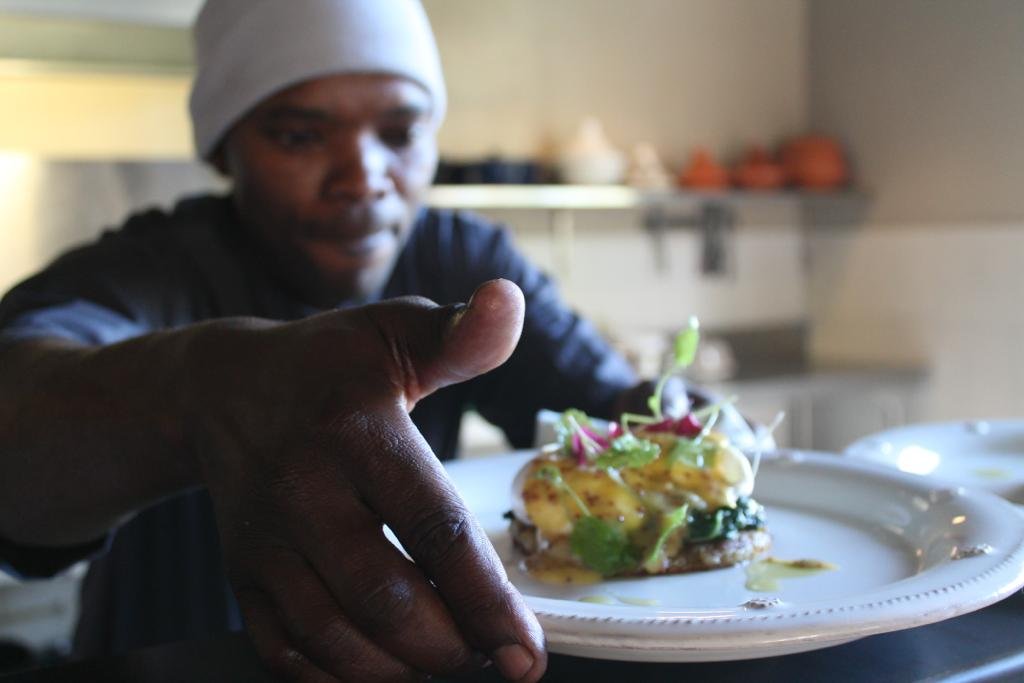
Restaurant
Eco-responsible — fresh, organic products from local suppliers. High-quality service in a relaxed yet stylish setting. A fine-dining experience: traditional French techniques adapted to the local terroir.
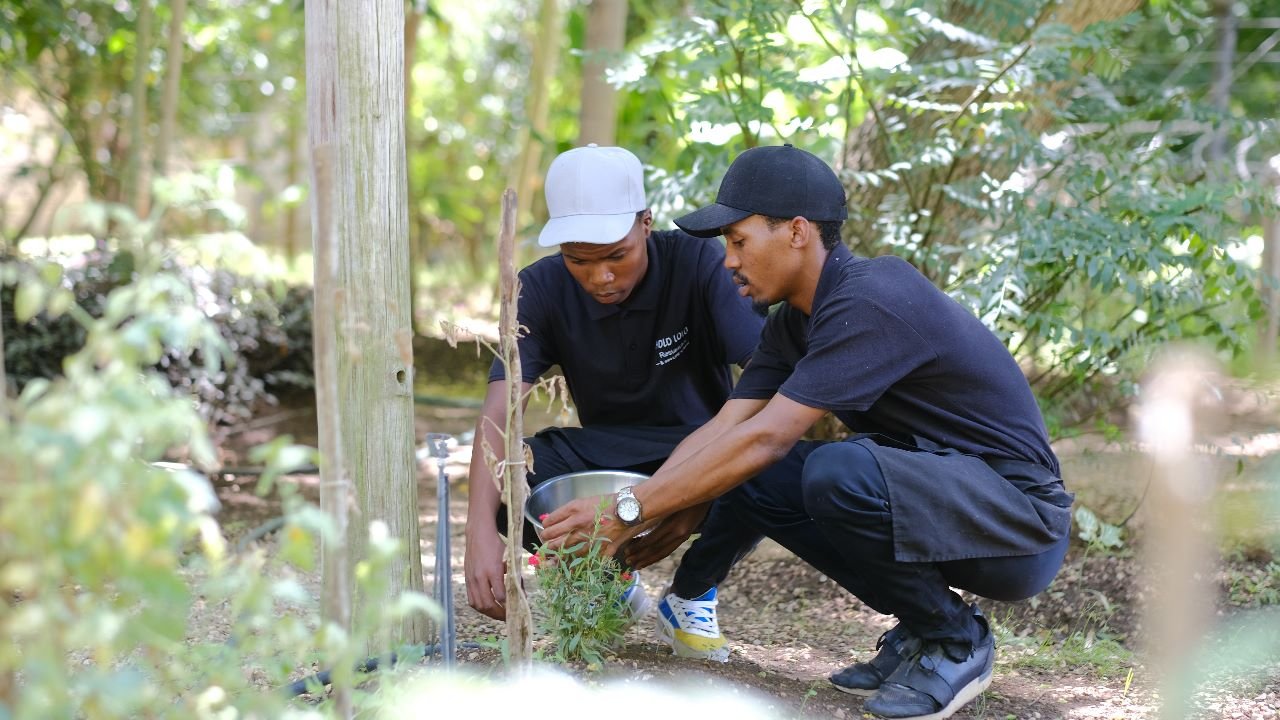
Organic garden
The vegetable garden trains students in sustainable gastronomy and short-circuit supply chains. It produces home-grown salads, cauliflowers, tomatoes, beetroots and herbs used by culinary students in the restaurant.
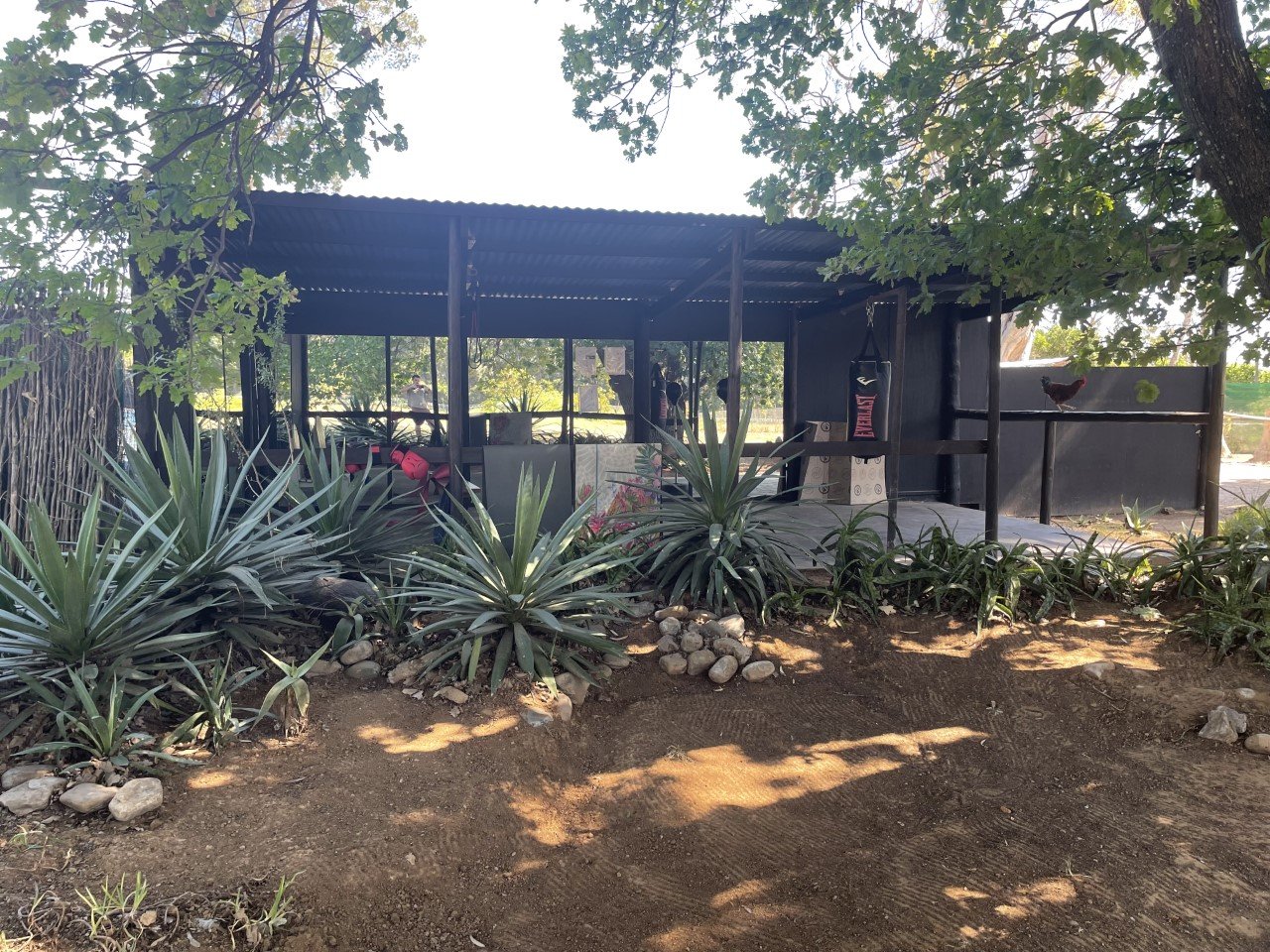
Sport and activities
The strength of the collective. Students take part in activities organised by NukaKamma — cinema, music, sports, and professional events with local producers, winemakers and farmers.
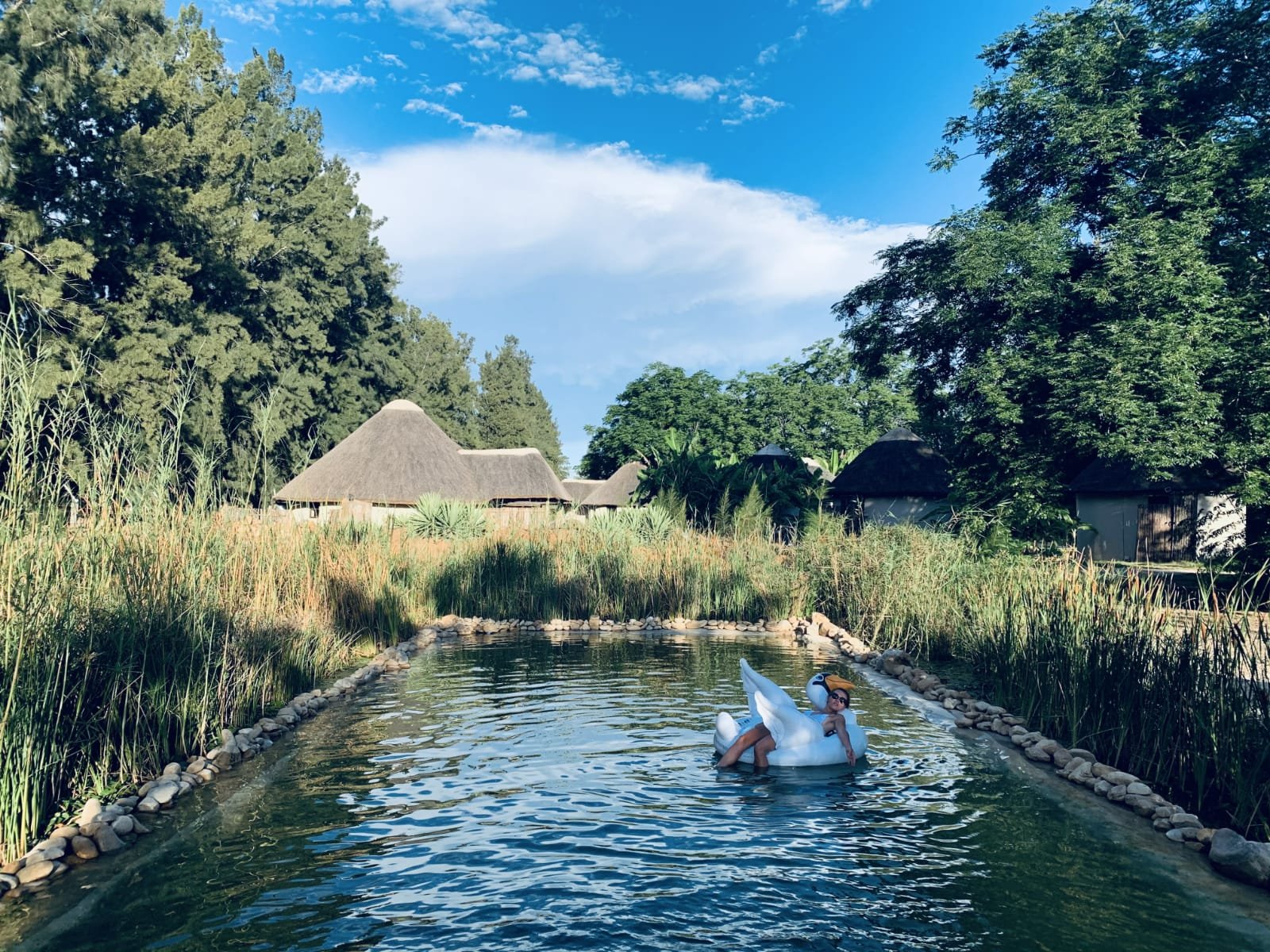
Swimming pool
In line with our eco-friendly practices, our swimming pool is 100% natural and organic. Water is naturally filtered through micro-organisms in the plant life, with no chemicals.
Meet the
people behind the school
The strength of NukaKamma lies in the hands and hearts of those who built it and those who teach within it.